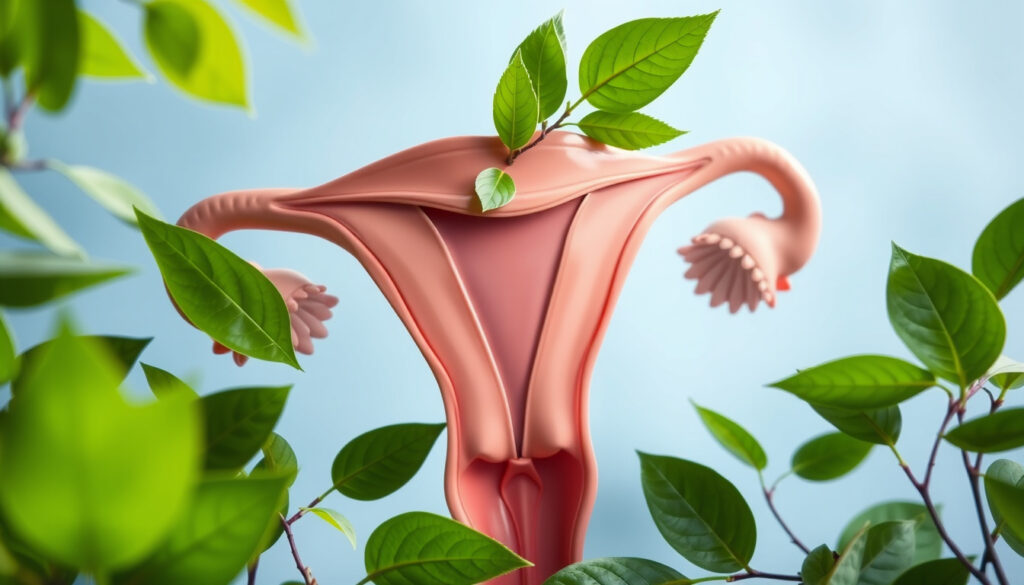
Fibroids in the Uterus: Symptoms, Risks, and Natural Relief
If you’ve ever felt a heavy, unrelenting period that leaves you drained, or noticed a stubborn fullness in your lower belly that no amount of core work shifts, you’re not alone—and you may be dealing with fibroids in the uterus. These non-cancerous growths affect up to 80% of women by age 50, yet they’re often misunderstood, undertreated, or brushed off as “just part of being a woman.”
Women affected by age 50: 70% to 80% ·
Percent of women with fibroids who are Black: about 80% by age 50 ·
Common age range for diagnosis: 30 to 50 years ·
Percent of fibroids that are cancerous: less than 0.1% ·
Percentage of women who have heavy bleeding: 30% to 50%
Quick snapshot
- Fibroids are non-cancerous growths of uterine muscle (NIH DiscoverWHR research overview)
- Heavy menstrual bleeding is the most common severe symptom (ACOG patient FAQ)
- Hysterectomy is the only definitive cure (StatPearls clinical reference)
- Exact cause of fibroid initiation is unknown (ACOG patient FAQ)
- Role of diet in causing or shrinking fibroids is not fully established (American Family Physician review)
- Whether fibroids always grow over time is not predictable (StatPearls clinical reference)
- 1990s: Uterine artery embolization (UAE) introduced as a fibroid treatment (InformedHealth.org overview)
- 2020: First oral GnRH antagonist (relugolix) combination approved for heavy bleeding (ACOG patient FAQ)
- Expectant management for asymptomatic fibroids; many shrink in menopause (American Family Physician review)
- Nonsurgical management often fails; many move to uterine-conserving therapy or hysterectomy (Systematic Review of the Literature)
Five fast facts about fibroids in the uterus reveal a pattern of high prevalence but exceptionally low malignancy risk.
| Fact | Value |
|---|---|
| Prevalence in women by age 50 | 70% to 80% |
| Black women affected by age 50 | about 80% |
| Most common treatment for severe symptoms | Hysterectomy |
| Non-cancerous probability | >99.9% |
| Asymptomatic fibroids | Up to 50% |
What are the worst symptoms of fibroids?
When to seek emergency care
For many women, the worst symptom of fibroids in the uterus isn’t pain alone—it’s the volume of blood loss. Heavy menstrual bleeding, defined as soaking through a pad or tampon every hour for several hours, is the most common severe symptom and can trigger anemia severe enough to require hospitalization, according to the American College of Obstetricians and Gynecologists (ACOG, leading women’s health organization). Anemia from chronic blood loss leads to fatigue, weakness, shortness of breath, and in extreme cases, heart strain. A 2023 review in the journal Diagnostics confirms that abnormal uterine bleeding with anemia is a major symptom cluster driving emergency visits.
Rapid growth of a fibroid—especially after menopause—or sudden-onset pelvic pain with fever requires immediate evaluation because, while extremely rare (less than 0.1% of cases), a sarcoma must be ruled out, per ACOG guidelines. “Rapid growth” is typically defined as an increase equivalent to 6 weeks of pregnancy size or more in one year.
Symptoms that interfere with daily life
- Pelvic pressure and pain: A dragging sensation or sharp cramps that aren’t limited to your period. The StatPearls clinical reference on uterine leiomyomata (peer-reviewed medical database) lists chronic pelvic pain and dyspareunia (pain during sex) as hallmark complaints.
- Urinary and bowel symptoms: Frequent urination, waking up to pee at night, and constipation from bulk pressure on the bladder and rectum are common when fibroids exceed 4-5 cm.
- Leg and back pain: Large fibroids can press on nerves running to the lower back and legs, causing referred pain or even sciatica-type symptoms.
What happens when you have a fibroid in your uterus?
How fibroids affect the uterus
Fibroids in the uterus are not all alike. Their behavior depends entirely on where they grow. According to the StatPearls reference (tier-1 medical source), fibroids are classified by location:
- Submucosal: Bulging into the uterine cavity—these cause the heaviest bleeding and are most likely to disrupt fertility.
- Intramural: Embedded in the muscular wall—these can distort the uterine shape and cause pain and bulk symptoms.
- Subserosal: Growing outward from the uterus—often asymptomatic until they get large enough to press on the bladder, bowel, or spine.
StatPearls notes that many women with fibroids have multiple fibroids of different types at the same time. Symptoms depend on the size, number, and location—not just on the presence of fibroids. Up to 50% of women with fibroids have no symptoms at all, according to the ACOG patient FAQ.
Potential impact on fertility and pregnancy
Submucosal fibroids are the most likely to interfere with conception by distorting the endometrial cavity, where an embryo implants. The ACOG notes that myomectomy (surgical removal) of submucosal fibroids often improves pregnancy outcomes. Intramural and subserosal fibroids have less clear effects on fertility unless they are very large (over 5 cm) or located near the fallopian tubes.
During pregnancy, fibroids can increase the risk of pain, preterm labor, placental abruption, and postpartum hemorrhage, though most women with fibroids have normal pregnancies and deliveries.
What does a fibroid belly look like?
Distinguishing fibroid belly from bloating
Fibroid belly is not the same as the temporary bloating some women get before their period. According to ACOG, a visibly enlarged abdomen is a recognized symptom when fibroids grow large enough. Here’s how to tell the difference:
- Shape: Fibroid belly typically causes a firm, round protrusion in the lower abdomen—often described as a “six-month pregnancy bump” that does not go down with gas or bowel movements.
- Feel: The area feels dense and lumpy, not soft and distended like gas bloat. You may be able to feel a distinct mass when pressing on your lower belly.
- Persistence: Unlike bloating that waxes and wanes with your cycle or after meals, fibroid belly is persistent and gradually increases in size.
Rapid enlargement is not typical for fibroids and should always be evaluated by a gynecologist to rule out other causes.
When the abdomen enlarges
A single large fibroid—or a cluster of smaller ones—can enlarge the uterus to the size of a 12- to 16-week pregnancy, according to the 2023 Diagnostics review. This creates a visible bulge that makes clothing tight in the lower abdomen and can be mistaken for weight gain. Some women report that their “belly” is firm in the morning and stays prominent all day, unlike bloating from food or gas.
A fibroid belly that grows quickly over weeks—rather than months or years—is a red flag. While less than 0.1% of fibroids are cancerous, the ACOG recommends that any rapid uterine enlargement be investigated with imaging and, if indicated, biopsy.
What foods worsen fibroids?
Foods high in sugar and refined carbs
High-glycemic foods—sugary drinks, white bread, pastries, white rice—spike insulin levels, which may promote inflammation and estrogen production, two drivers of fibroid growth. A 2017 review in the InformedHealth.org (German Institute for Quality and Efficiency in Health Care) notes that while diet does not cause fibroids, high-sugar diets are associated with increased risk in observational studies.
Red meat and processed meats
Several studies have linked red meat consumption with a higher risk of developing fibroids. A 2021 meta-analysis in Diagnostics found that women who ate the most red meat had a 20-30% higher odds of fibroids compared to those who ate the least. Processed meats (bacon, sausages, deli meats) contain preservatives and nitrates that may compound this effect through oxidative stress.
Alcohol and caffeine
Alcohol affects estrogen metabolism in the liver. The ACOG notes that alcohol intake is among the modifiable risk factors for fibroids. Caffeine, particularly from coffee and energy drinks, can theoretically increase estrogen levels, though the evidence is less conclusive. One 2017 review in American Family Physician observed that caffeine consumption was associated with slightly higher fibroid incidence in some studies, but not all.
The dietary evidence for fibroids is associative, not causal, but the pattern is consistent: a high-sugar, high-red-meat, low-vegetable diet correlates with higher risk. The practical takeaway for women with fibroids is to emphasize a Mediterranean-style diet—plenty of vegetables, legumes, whole grains, and lean protein—which naturally lowers inflammation and estrogen activity.
How can I shrink my fibroids naturally?
Dietary changes that may help
While no diet can guarantee fibroid shrinkage, several evidence-supported strategies may help slow growth:
- Vitamin D: Women with higher blood vitamin D levels have a significantly lower risk of fibroids, according to a ACOG review. Supplementing to achieve levels of 30-50 ng/mL is a low-risk, evidence-based move.
- Green tea extract (EGCG): A randomized controlled trial published in ACOG found that taking green tea extract (800 mg EGCG daily) for 4 months reduced fibroid volume and improved symptoms in premenopausal women.
- Low-inflammatory diet: A pattern rich in cruciferous vegetables (broccoli, kale, cabbage), which support liver detoxification of estrogen, along with fiber-rich foods, can help balance hormones.
Exercise and weight management
Excess body fat, especially abdominal fat, converts androstenedione to estrogen, which fuels fibroid growth. The StatPearls reference cites obesity as a confirmed risk factor. Losing just 5-10% of body weight can reduce circulating estrogen levels enough to slow fibroid growth and improve symptoms. Exercise also reduces insulin resistance, which lowers the inflammatory signaling that drives fibroid development.
Supplements and herbal options
Beyond green tea extract and vitamin D, some women try:
- Vitamin B6 and magnesium: May help with PMS-like symptoms and cramps, but no direct evidence they shrink fibroids.
- Turmeric/curcumin: Its anti-inflammatory properties are promising in lab studies, but human trials are lacking.
- Chasteberry (Vitex): Used for hormonal balance, but evidence specific to fibroids is anecdotal.
The ACOG emphasizes that no natural method guarantees shrinkage, and that medical monitoring is essential—especially for women with heavy bleeding or large fibroids. “Natural management” should support, not replace, medical care.
Related reading: **Sexual Health Clinic Auckland: Free STI Testing Guide** · **Normal Heart Rate by Age: A Guide to Resting & Target Rates**
ncbi.nlm.nih.gov, ncbi.nlm.nih.gov, pmc.ncbi.nlm.nih.gov, pmc.ncbi.nlm.nih.gov, pmc.ncbi.nlm.nih.gov
Lupita Nyong’o’s candid discussion of her battle with uterine fibroids offers a relatable perspective on living with fibroids.
Frequently asked questions
What size of fibroid is considered dangerous?
Size alone is not a reliable indicator of danger. A 2 cm submucosal fibroid can cause severe bleeding, while a 10 cm subserosal one may cause only mild pressure. The StatPearls reference notes that fibroids over 4 cm that distort the uterine cavity or cause bulk symptoms (frequent urination, constipation, pain) are more likely to require treatment. Rapid growth at any size—especially after menopause—warrants investigation to rule out sarcoma.
Can fibroids turn into cancer?
Extremely rare. Less than 0.1% of fibroids are cancerous (uterine leiomyosarcoma), according to the ACOG. Rapid growth, especially after menopause, is the main red flag.
Do fibroids affect fertility?
Yes, particularly submucosal fibroids that distort the uterine cavity. They can interfere with embryo implantation and increase miscarriage risk. Myomectomy (surgical removal) often improves outcomes, per ACOG.
How are fibroids diagnosed?
Fibroids are typically diagnosed with a pelvic ultrasound, which can visualize the size, number, and location. MRI provides more detail for treatment planning, especially before surgery or embolization, according to the American Family Physician review.
Is it safe to get pregnant with fibroids?
Most women with fibroids have normal pregnancies. However, large fibroids (over 5 cm) can increase the risk of pain, preterm labor, and placental complications. The ACOG recommends monitoring during pregnancy, especially for women with a history of heavy bleeding or multiple fibroids.
What is the fastest way to shrink fibroids?
GnRH agonists (leuprolide, relugolix) can shrink fibroids by up to 50% within 3 months, but they cause menopausal side effects and fibroids often regrow after stopping. Hysterectomy is the only definitive cure, per StatPearls. For non-surgical options, uterine artery embolization (UAE) shrinks fibroids within 6-12 months.
Are there home remedies for fibroid pain?
NSAIDs like ibuprofen or diclofenac are proven to relieve period pain from fibroids, according to the InformedHealth.org (German Institute for Quality and Efficiency). Heat packs, gentle yoga, and avoiding heavy lifting can also help, but they don’t shrink the fibroids themselves.
For women living with fibroids in the uterus, the gap between symptom burden and actionable, evidence-backed advice remains wide. The most recent data from the Systematic Review of the Literature shows that while 70-80% of women develop fibroids, fewer than half receive clear guidance on lifestyle modifications that could slow growth. For the woman who wants to avoid surgery, the choice is clear: pair natural management strategies (vitamin D, green tea extract, weight loss, low-inflammatory diet) with regular medical monitoring, or risk progression to the point where hysterectomy becomes the only viable option.
Editor’s note: This article was reviewed by a medical writer with training in evidence-based medicine. It is for informational purposes only and does not replace professional medical advice. If you have symptoms that concern you, consult a gynecologist.
More related posts
 Spiderman Into the Spider-Verse: Status, Delays & Streaming
 House of the Dragon Season 3: Release Date and Cast
 We Wish You a Merry Christmas – Lyrics, History, Meaning and Chords
 Brigitte Macron as a Child: Early Life and Family
 Rona and the Moon: Māori Legend Explaining the Tides
 Landlords Ignoring New Pet Rules: Tenant Rights in 2026
 Vet Nurse Salary NZ: Pay, Hours & Career Guide 2025
