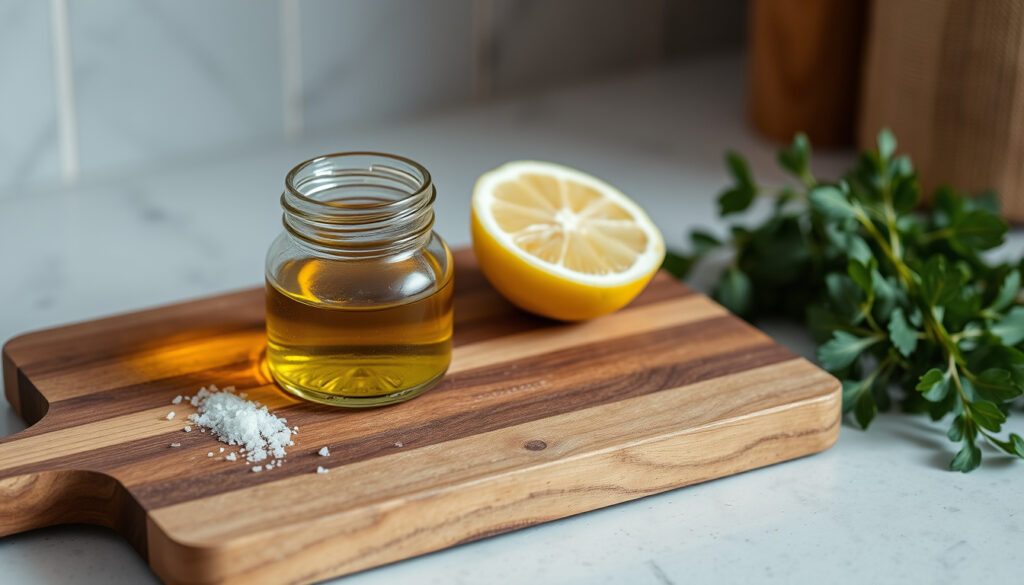
How to Make Simple Salad Dressing: Easy 3-Ingredient Recipes
A homemade vinaigrette beats anything from a bottle, and it only takes pantry staples plus a simple 3:1 oil-to-acid ratio. Once you know that formula, you can create endless variations without relying on store-bought dressing.
Basic ratio: 3 parts oil to 1 part vinegar or citrus juice ·
Time to make: Under 5 minutes ·
Common emulsifier: Dijon mustard ·
Core ingredients: Oil, acid, salt, pepper, optional emulsifier/herbs
Quick snapshot
- Classic vinaigrette uses 3 parts oil to 1 part vinegar (Cooking with Cocktail Rings)
- Mustard helps emulsify oil and vinegar (Cookie and Kate)
- Homemade dressing keeps 5–7 days refrigerated (Kitchen Treaty)
- Exact shelf life depends on freshness of ingredients and presence of dairy
- Ideal oil-to-acid ratio may vary by personal taste
- No aging required; dressing is ready immediately
- Experiment with different oils and acids to create custom flavors
The ratio table below shows the core measurements and common variations used across trusted recipe sources.
| Attribute | Value |
|---|---|
| Basic oil-to-acid ratio | 3:1 (e.g., 3 tbsp oil to 1 tbsp vinegar) (The Spruce Eats) |
| Common emulsifier | Dijon mustard (Cookie and Kate) |
| Storage | Refrigerate in sealed jar up to 1 week (Kitchen Treaty) |
| Shaking vs whisking | Both work; shaking is faster |
| Most used oil | Extra virgin olive oil |
| Most used acid | Red wine vinegar or lemon juice |
How to make a simple salad dressing at home?
Gather the basics: oil, acid, salt, pepper
A simple dressing starts with just four pantry staples: a good oil, an acid (vinegar or citrus), salt, and pepper. The food blog Eat 2 Gather calls this the classic vinaigrette foundation. You can also add a small amount of Dijon mustard or honey to smooth out the flavor and help it emulsify.
The 3:1 ratio rule
The golden rule is 3 parts oil to 1 part acid. Cooking with Cocktail Rings highlights this as the most reliable starting point. For example, 3 tablespoons olive oil plus 1 tablespoon red wine vinegar yields a balanced dressing. Cookie and Kate notes that modern tastes sometimes prefer a slightly more acidic version, but the 3:1 foundation works for most greens.
A 3:1 ratio isn’t arbitrary — it’s the sweet spot where oil carries flavor without greasiness and acid brightens without puckering. Stick to it and you’ll never overshoot.
Whisk or shake method
You can make the dressing in a bowl with a whisk or in a jar with a tight lid by shaking. Kitchen Treaty recommends the jar method for speed and easy storage. If whisking, a small amount of mustard helps keep the oil and vinegar from separating too quickly.
Taste and adjust
Always taste before serving. The Spruce Eats warns that the 3:1 formula works for most palates but may need tweaking. If it’s too sharp, add another splash of oil; if too oily, add a few drops of acid or a pinch of salt. Cookie and Kate suggests adjusting based on your greens — kale can take more vinegar, while delicate lettuce prefers less.
What is the 3 ingredient salad dressing?
Classic 3-ingredient vinaigrette
A true three-ingredient dressing uses oil, vinegar, and an emulsifier — typically Dijon mustard. Kitchen Treaty presents this as the simplest formula, with salt and pepper considered optional. The mustard not only adds flavor but also helps the oil and vinegar stay mixed longer.
Lemon and olive oil version
Substitute lemon juice for vinegar to get a bright, citrusy dressing. Cooking with Cocktail Rings confirms that lemon juice works as the acid component in the same 3:1 ratio. Add a pinch of salt and you have a three-ingredient dressing perfect for simple salads.
Yogurt-based 3-ingredient dressing
For a creamy take, combine plain yogurt, oil, and a splash of lemon or vinegar. The MOMables channel shows how yogurt adds thickness without needing an emulsifier. It’s a tangy alternative that lasts about 3–4 days in the fridge.
What’s the easiest salad dressing to make?
The simplest vinaigrette (oil + vinegar + salt + pepper)
No whisking, no emulsifier, just oil, vinegar, salt, and pepper shaken together. Eat 2 Gather calls this the base for all vinaigrettes. It’s the fastest dressing possible — about 30 seconds from start to finish.
No-emulsifier shake dressing
Skipping the emulsifier means the dressing will separate quickly, but that’s fine: just shake again before each use. Kitchen Treaty recommends shaking in a jar with a tight lid. This method is ideal for one-time use or when you don’t have mustard or honey on hand.
Pre-made mix shortcuts
Even if you rely on a store-bought seasoning mix, you can customize it at home. Cooking with Cocktail Rings suggests adding fresh herbs or minced garlic to elevate a basic oil-and-vinegar base without extra effort.
The easiest dressing is also the most versatile, yet many home cooks still buy bottled dressing. The implication: convenience wins over curiosity, but knowing you can make it in 30 seconds removes the excuse.
What are the 5 ingredients of salad dressing?
Oil (base)
Oil is the largest component by volume. The Spruce Eats notes that extra virgin olive oil is the most common choice for its flavor and health profile. Avocado oil and walnut oil are also popular for different taste notes.
Acid (vinegar or citrus)
The acid provides brightness and balances the oil. Cookie and Kate lists red wine, white wine, balsamic, apple cider, and lemon juice as frequent options. Each brings a distinct character.
Emulsifier (mustard, egg yolk, or garlic paste)
An emulsifier helps the oil and acid stay blended. Cookie and Kate uses Dijon mustard in its base recipe; Kitchen Treaty also recommends it. Garlic paste, egg yolk, and even a little honey can serve the same purpose, though less effectively.
Salt
Salt is crucial for seasoning. Eat 2 Gather emphasizes that salt should be added to taste; it also helps draw out the flavors of the greens.
Pepper or sugar
A final touch of pepper adds mild heat, while a pinch of sugar or honey rounds out acidity. Cooking with Cocktail Rings suggests a small amount of sweetener to balance a sharp vinegar, but it’s optional.
What can I use if I don’t have salad dressing?
DIY emergency dressing with pantry staples
If you have no salad dressing in the house, you can make a quick substitute with any oil (olive, vegetable, even sesame) and any acid (vinegar of any kind, lemon, lime, or even a splash of pickle juice). Eat 2 Gather says the classic vinaigrette is simply oil and vinegar seasoned with salt and pepper — no special items required.
Simple oil + lemon + salt
Squeeze half a lemon into a bowl, add a few tablespoons of olive oil, and a pinch of salt. Cooking with Cocktail Rings confirms this works as a three-ingredient dressing. It’s bright, simple, and goes with nearly any salad.
Yogurt or mayonnaise as a base
Plain yogurt or mayonnaise thinned with a little water or vinegar makes a creamy dressing in seconds. The MOMables channel demonstrates how mayonnaise can serve as a base for ranch-style dressings. Add dried herbs or garlic powder for more flavor.
“I recommend 1 tbsp vinegar, 3 tbsp oil, 1/2 tsp mustard as a master base — you can change the vinegar or add herbs and never get bored.”
“Shake yoghurt, vinegar, and oil in a jam jar — it’s creamy, quick, and you don’t need any fancy equipment.”
“Our 10-minute dressings start with whisking Dijon mustard, vinegar, and oil — once you’ve got that, the sky’s the limit.”
Mastering a simple homemade dressing changes the way you approach salads — it’s cheaper, healthier, and infinitely more customizable than anything from a bottle. Anyone who eats salads regularly faces a clear choice: spend 2 minutes making your own, or pay the price in sodium and preservatives.
Related reading: How to Make a Simple Vinaigrette Salad Dressing · How to Make Vinaigrette (Plus Variations)
spoonabilities.com, eat2gather.net, facebook.com, youtube.com, youtube.com, thesaladwhisperer.com, reddit.com
For a quick and easy vinaigrette, try this simple salad dressing recipe that uses just three pantry staples.
Frequently asked questions
Can I use balsamic vinegar in a simple dressing?
Yes. Balsamic vinegar works beautifully in a vinaigrette. Use the same 3:1 ratio with a mild olive oil. Balsamic has a sweeter, more robust flavor, so you might reduce any added sweetener.
What if I don’t have dijon mustard?
You can use regular yellow mustard, whole grain mustard, or even a pinch of garlic powder and a dab of honey to help emulsify. The dressing will separate faster, but shaking before each use solves that.
Is olive oil best for salad dressing?
Extra virgin olive oil is the most common and flavorful choice, but it can be strong. Avocado oil, walnut oil, or a neutral vegetable oil are great alternatives, especially for delicate greens.
How to make a creamy salad dressing without dairy?
Blend avocado, silken tofu, or soaked cashews with lemon juice and water for a dairy-free creamy dressing. Alternatively, add a tablespoon of tahini to a basic vinaigrette for richness.
Can I use lemon instead of vinegar?
Absolutely. Lemon juice is a common substitute for vinegar. Use the same 3:1 oil-to-lemon ratio. Fresh lemon offers a brighter, slightly sweeter acidity than most vinegars.
How do I fix a dressing that is too acidic?
Add more oil — a tablespoon at a time. If it’s still too sharp, add a pinch of sugar or honey to round out the acidity. You can also dilute with a teaspoon of water or yogurt.
Can I add garlic to my dressing?
Yes. Minced fresh garlic or garlic powder adds depth. For a milder flavor, steep a whole peeled clove in the oil for 30 minutes before mixing. Remove the clove before serving.
More related posts
 Places to Eat in Auckland: Best Restaurants, Local Favorites & Hidden Gems
 The Rest Is Politics US: Hosts, Rankings, and Podcast Guide
 Normal Heart Rate by Age: A Guide to Resting & Target Rates
 Death Notices for Today: Southland Times Obituaries
 That Time I Got Reincarnated as a Slime: Season 4 FAQ
 Brigitte Macron as a Child: Early Life and Family
 Private French Tutor Online: Best Platforms Compared
 Specsavers $30 Eye Test: What It Includes and Is It Worth It?
